Essential Knitting Tools: What You Really Need to Get Started
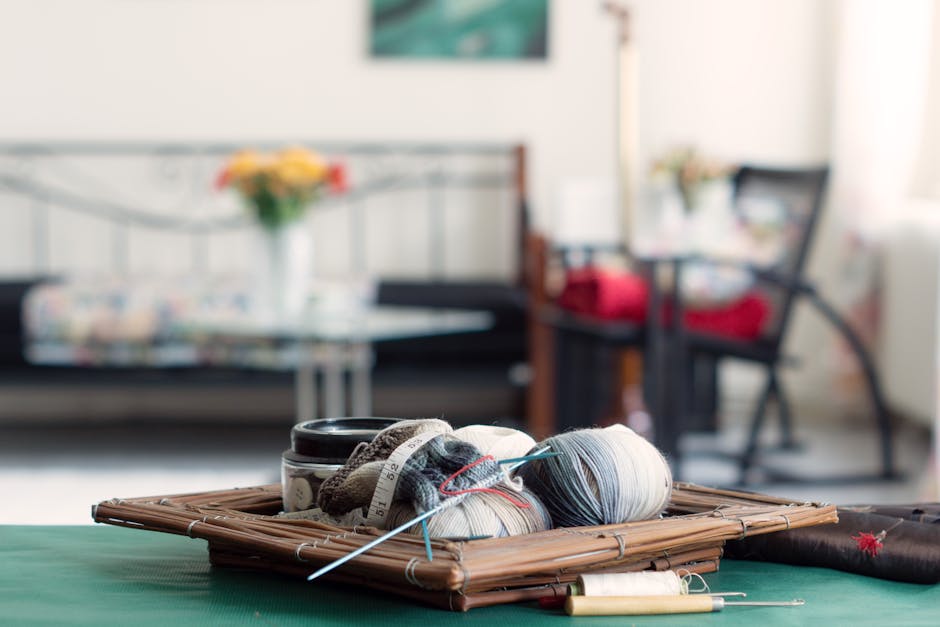
When you're learning to knit, walking into a craft shop can feel overwhelming. There are so many needles, gadgets, and accessories that it's easy to think you need everything. The good news? You actually need very little to start knitting beautifully.
The Absolute Essentials
Needles are obviously your first purchase. For beginners, bamboo or wooden needles are ideal because they provide just enough grip to prevent stitches slipping off accidentally. Metal needles are faster but can feel slippery when you're learning. Start with a pair of straight needles in size 4-6mm and length 30cm. These suit most beginner projects.
Yarn comes next. Choose a light-coloured, smooth, medium-weight yarn like a basic acrylic or wool blend. Avoid dark colours (hard to see stitches), fuzzy textures (hide mistakes but also hide what you're doing), and very thin or thick yarns (frustrating for beginners).
Scissors – a simple pair you probably already own – are necessary for cutting yarn.
Very Useful Additions
A yarn needle (also called a tapestry needle) is essential for sewing seams and weaving in ends. Get one with a blunt tip and an eye large enough for your yarn.
Stitch markers help you keep track of your pattern rows and mark important stitches. You can use simple plastic rings or even buy decorative ones. Many crafters improvise with scraps of yarn or safety pins.
Row counters help you track which row you're on, preventing the frustration of losing your place in complex patterns. Again, you can improvise with paper and pencil.
Things You Can Buy Later
Circular needles, cable needles, stitch holders, and specialty needles are all wonderful but unnecessary for basic projects. Wait until you've completed several projects and understand what you actually need.
Expensive needle cases, fancy yarn bowls, and decorative accessories are lovely but not essential. Focus your budget on good-quality needles and nice yarn instead.
Budget-Friendly Approach
Start with one pair of needles, one ball of yarn, and basic tools. You'll spend under £15 on a complete starter kit. As you progress and discover what you enjoy making, invest in additional needles and speciality tools.
Many experienced knitters have drawers full of needles they rarely use. Avoid this by starting minimal and adding thoughtfully as your skills develop.