How to Choose the Right Yarn Weight for Your Next Project
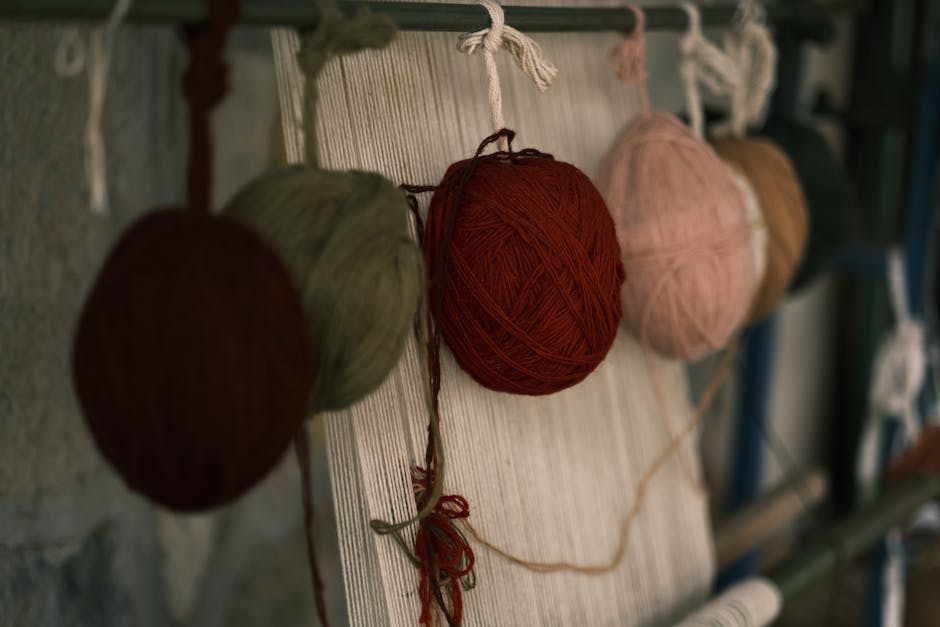
One of the most common questions from crafters is: "Which yarn should I use?" The answer often comes down to yarn weight, which is a standardised system that makes selecting yarn much easier.
Yarn weight refers to how thick or thin the yarn is, measured in grams per 100 metres. The Craft and Yarn Council uses a numbering system from 0 (lace) to 7 (jumbo), with descriptive names for each category. Understanding these weights is essential because they determine your finished fabric's drape, warmth, and durability.
Common Yarn Weights Explained
- Lace (0) – Extremely fine, used for delicate shawls and intricate lace patterns
- Fingering (1) – Thin yarn perfect for socks and detailed garments
- Sport (2) – Lightweight, ideal for baby items and fitted garments
- DK/Light Worsted (3) – Versatile weight suitable for most projects
- Worsted/Aran (4) – Medium weight, great for blankets and jumpers
- Bulky (5) – Thick yarn that works up quickly into cosy items
- Super Bulky (6+) – Extra thick, perfect for chunky blankets and scarves
The weight you choose affects your needle or hook size, gauge, and how long your project takes to complete. Thicker yarns work up faster, making them ideal if you want quick results. Finer yarns create more detailed, delicate finished pieces.
Matching Yarn to Your Pattern
Always check your pattern's recommended yarn weight before purchasing. A pattern written for DK weight will look completely different if made with worsted weight yarn. The tension and finished dimensions will be affected, potentially ruining hours of work.
Consider the project's purpose too. For a summer top, choose lighter, breathable yarns like fingering or sport weight. For winter jumpers and blankets, worsted or bulky weights provide warmth and cosiness.
Practical Tips
Don't just rely on weight alone. Feel the yarn in your hands if possible – check whether it's smooth or textured, how it drapes, and whether it feels pleasant to work with. Read online reviews from other crafters. Some yarns that are technically the same weight can feel very different due to fibre content and construction.
Keep a collection of yarn samples at home so you can compare weights side by side. This visual reference becomes invaluable when shopping online or planning future projects.
Remember that yarn weight is just one factor in your selection. Fibre content, colour, and price all matter too. But mastering yarn weights gives you the confidence to explore new patterns and create beautiful, well-fitted finished pieces.